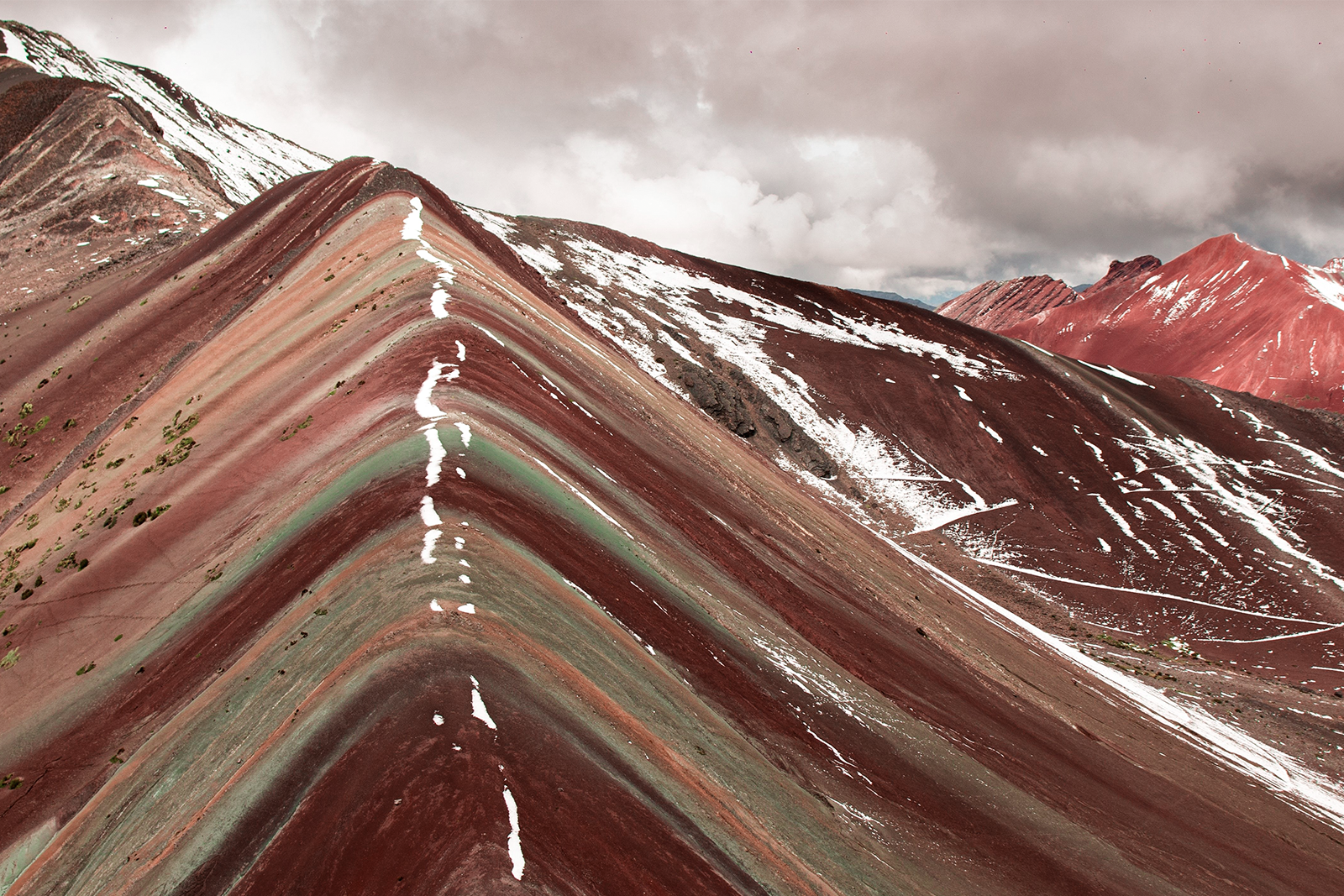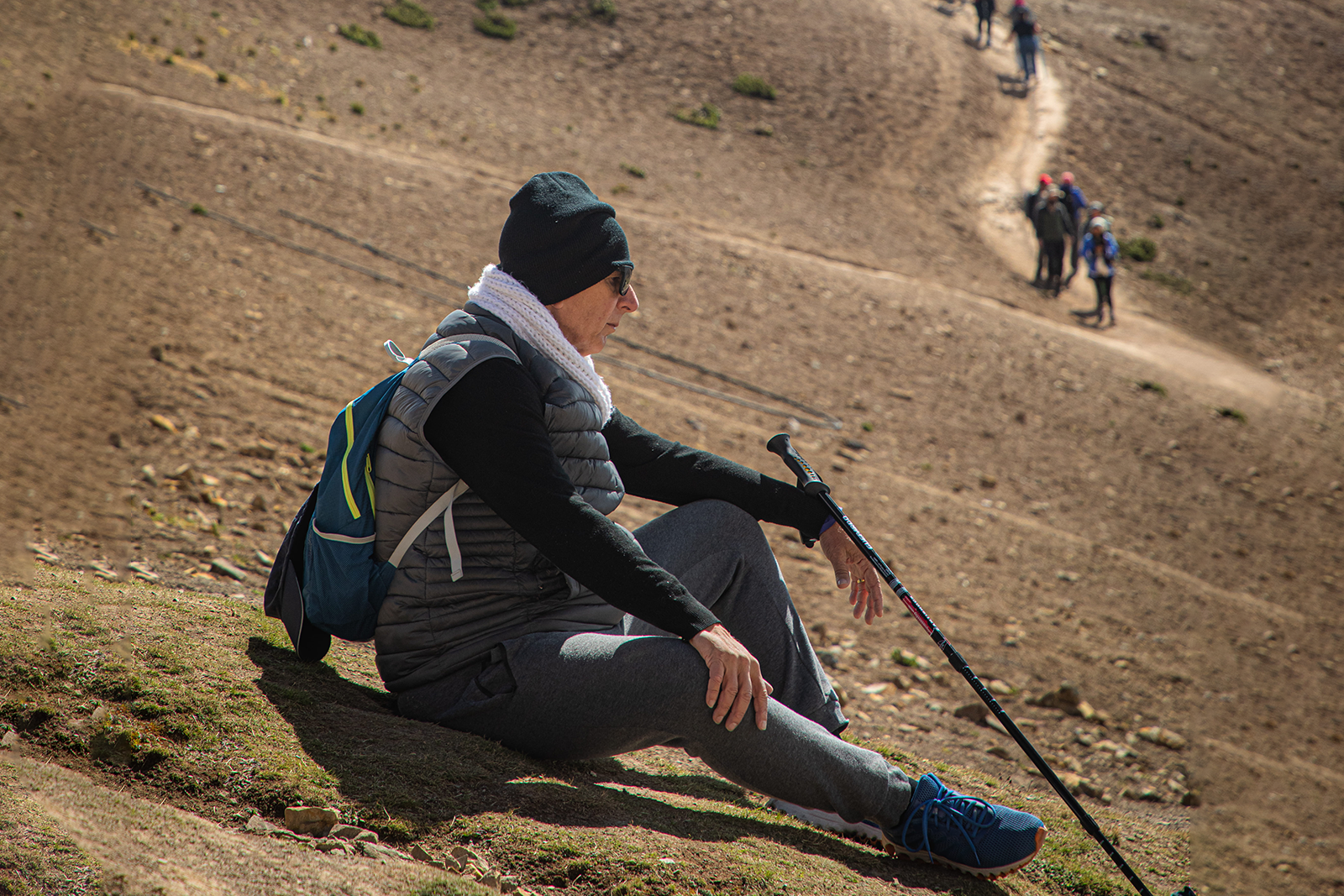
Arriving in Cusco is an exciting experience, but for some travelers, it can also mean encountering high altitude for the very first time. The city sits at roughly 11,150 feet (3,400 meters) above sea level, which means your body needs time to adjust to the lower oxygen availability. During the first few hours or days, you might experience symptoms like headaches, fatigue, dizziness, nausea, loss of appetite, or difficulty sleeping.
Everyone reacts differently, and having visited Cusco before doesn't guarantee you won't feel any discomfort this time around. That's why the best thing to do upon arrival is take it easy for the first few hours—rest, stay hydrated, and avoid heavy physical exertion. It is also wise to hold off on alcohol while your body acclimates.
Drinking coca tea (mate de coca) is a local tradition in Cusco, though it shouldn't be treated as a medical cure for altitude sickness. The most important thing is to listen to your body and give it time to adapt before taking on demanding activities like Rainbow Mountain or Humantay Lake. If symptoms become severe or you notice signs like shortness of breath while resting, confusion, trouble walking, or significant worsening, stop physical activity immediately and seek medical attention.
So don't be afraid to travel to Cusco, but do respect the altitude. Rest, hydrate, and give your body time to acclimatize. That way, you'll be able to enjoy your Cusco adventure to the fullest!